

Virtual and Augmented Reality Projects
An augmented reality adventure game designed to spark ecological curiosity and reconnect young players with the natural world through interactive exploration.
Co-Creator, Creative Director & Marketing Manager
I shared an early experience my parents crafted to keep me occupied during long summer days at our family cottage: a logbook of the variety of plants growing near our home. My mother helped me tape them to the pages of an old art book and my father helped us identify them. 30 years later, I still have this keepsake.
Sharing this story of exploration and discovery became the foundation for a project that blended storytelling, science communication, and immersive technology.
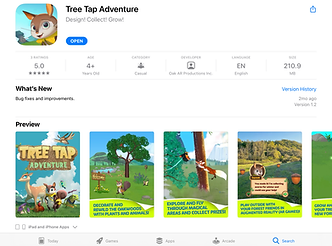
Co-created as an educational augmented reality mobile game for pre-adolescent audiences, Tree Tap Adventure combined quest-based gameplay, environmental storytelling, and AR experiences designed to encourage movement, outdoor exploration, and ecological awareness.
At the center of the game was a simple idea: what if technology could encourage children not to disconnect from nature, but to become more curious about it?
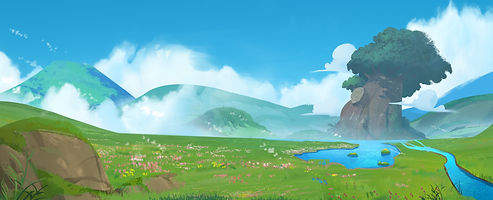
As Co-Creator and Creative Director, I helped guide the project from early prototype through development, launch, and marketing.
The project secured more than $1 million in funding as it evolved from a grant-funded concept into a fully developed interactive title.
This included:
•Leading creative development and project direction
•Managing teams of artists, writers, and designers
•Overseeing UX research and gameplay flow
•Writing in-game dialogue, educational content, and player-facing narrative systems
•Designing augmented reality gameplay experiences grounded in real ecological behaviors
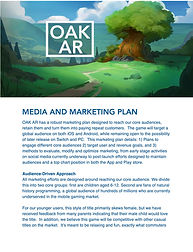
•Leading marketing strategy, promotional assets, website design, trailers, and App Store creative
Throughout development, my focus remained on balancing accessibility, emotional engagement, and educational value without losing the sense of wonder and play at the heart of the experience.
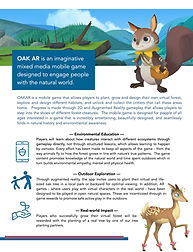
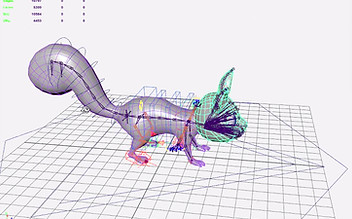
The gameplay encouraged players to move through parks and outdoor environments while interacting with augmented reality experiences inspired by real animal behaviors, ecosystems, and environmental systems. Scientific details—from species movement patterns to collectible ecological facts—were integrated directly into gameplay and progression systems.
One of the central creative challenges was designing an experience that used technology to deepen engagement with the natural world rather than distract from it.
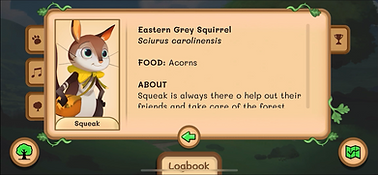
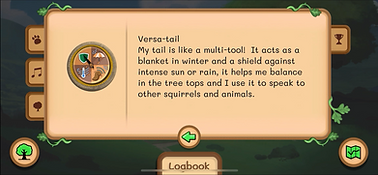
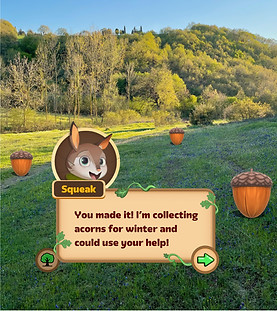

The project also required balancing educational goals with the expectations of casual gaming audiences: creating an experience that felt imaginative, emotionally engaging, and exploratory rather than instructional.
At its core, the game explored a larger storytelling question that continues to shape much of my work: How can immersive media make people feel more connected—to ideas, environments, and each other?
Tree Tap Adventure brought together science communication, environmental storytelling, and emerging technology in a project designed to encourage curiosity, movement, and exploration.
The experience deepened my interest in interactive storytelling and reinforced my belief that complex educational ideas become most powerful when audiences are invited to actively participate in discovery rather than simply observe it.
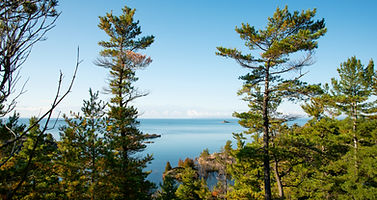
An immersive virtual reality experience designed to reconnect audiences with the natural world through cinematic environmental storytelling, meditation, and sensory immersion.

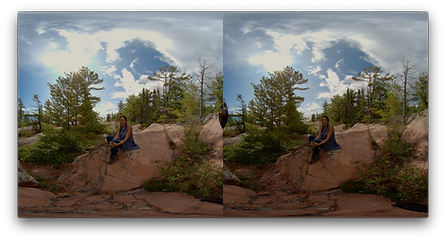
Developed as an immersive virtual reality prototype, the project explored how emerging technologies could be used not as an escape from the natural world, but as a bridge back to it. Combining principles drawn from forest bathing, meditation, environmental storytelling, and immersive sound design, Green Room VR transported users into carefully crafted natural environments designed to encourage calm, reflection, and ecological connection.
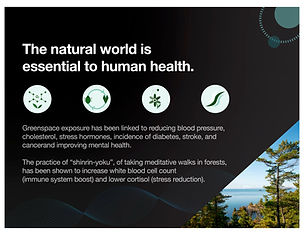
The project was conceived in response to growing concerns around urbanization, technological dependence, and what researchers increasingly describe as “nature deficit”—the psychological and physiological consequences of reduced exposure to green spaces.
As Co-Creator and Creative Director, I helped shape the conceptual vision, narrative framework, and experiential design of the project.
Working alongside collaborators with backgrounds in documentary production, immersive media, and land-based wellness practices, we explored how cinematic storytelling techniques could be adapted into a more embodied and experiential form.
Unlike many early VR projects focused primarily on novelty or spectacle, our goal was restraint: creating quiet, contemplative experiences that encouraged presence, attention, and emotional connection to natural environments.
Co-Creator & Creative Director
Green Room VR expanded my understanding of immersive storytelling and the emotional possibilities of emerging technologies.The project reinforced a recurring theme across my work: that science, technology, and storytelling become most powerful when they help people feel more connected—to themselves, to each other, and to the environments they inhabit.